 FURTALK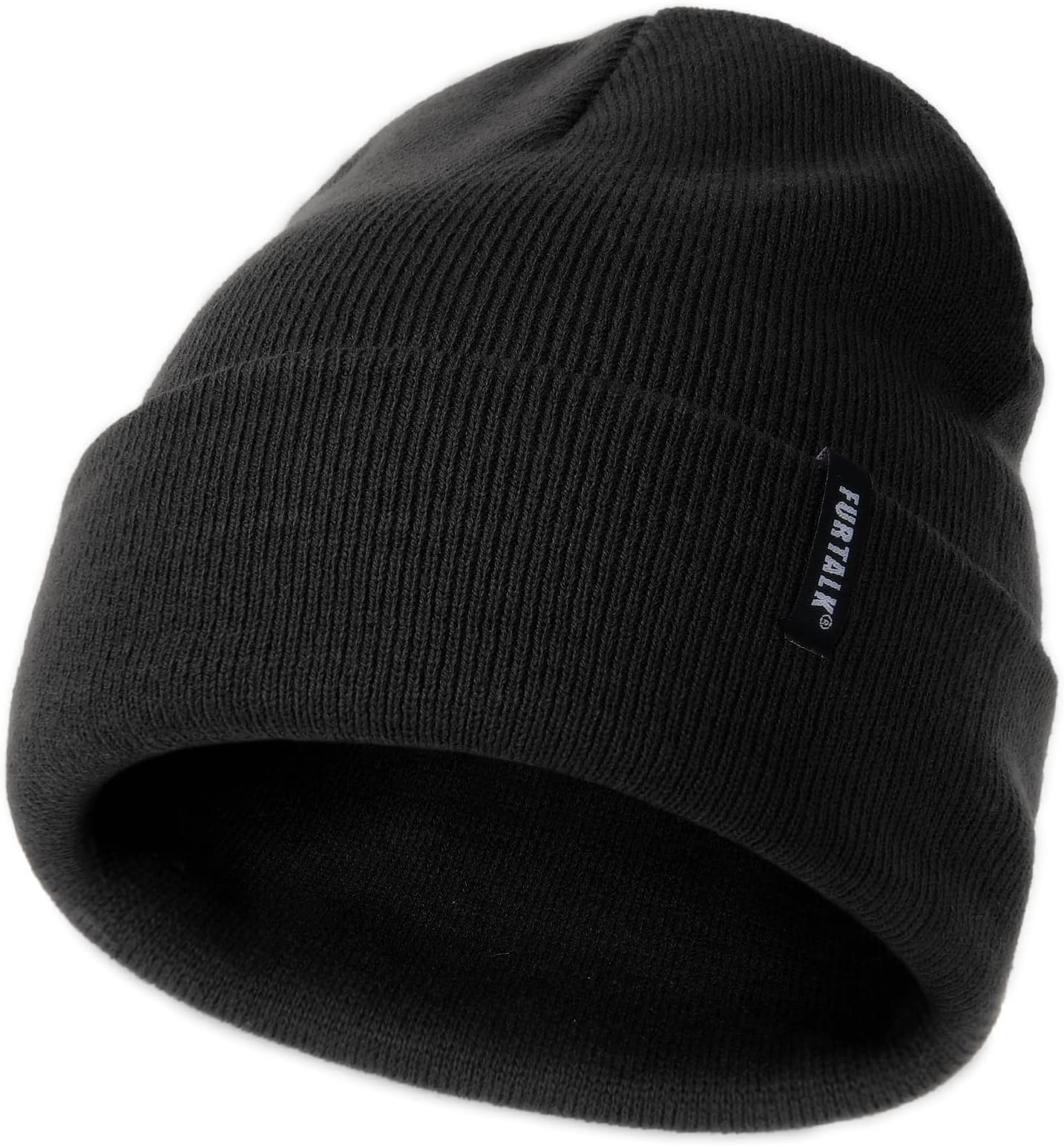
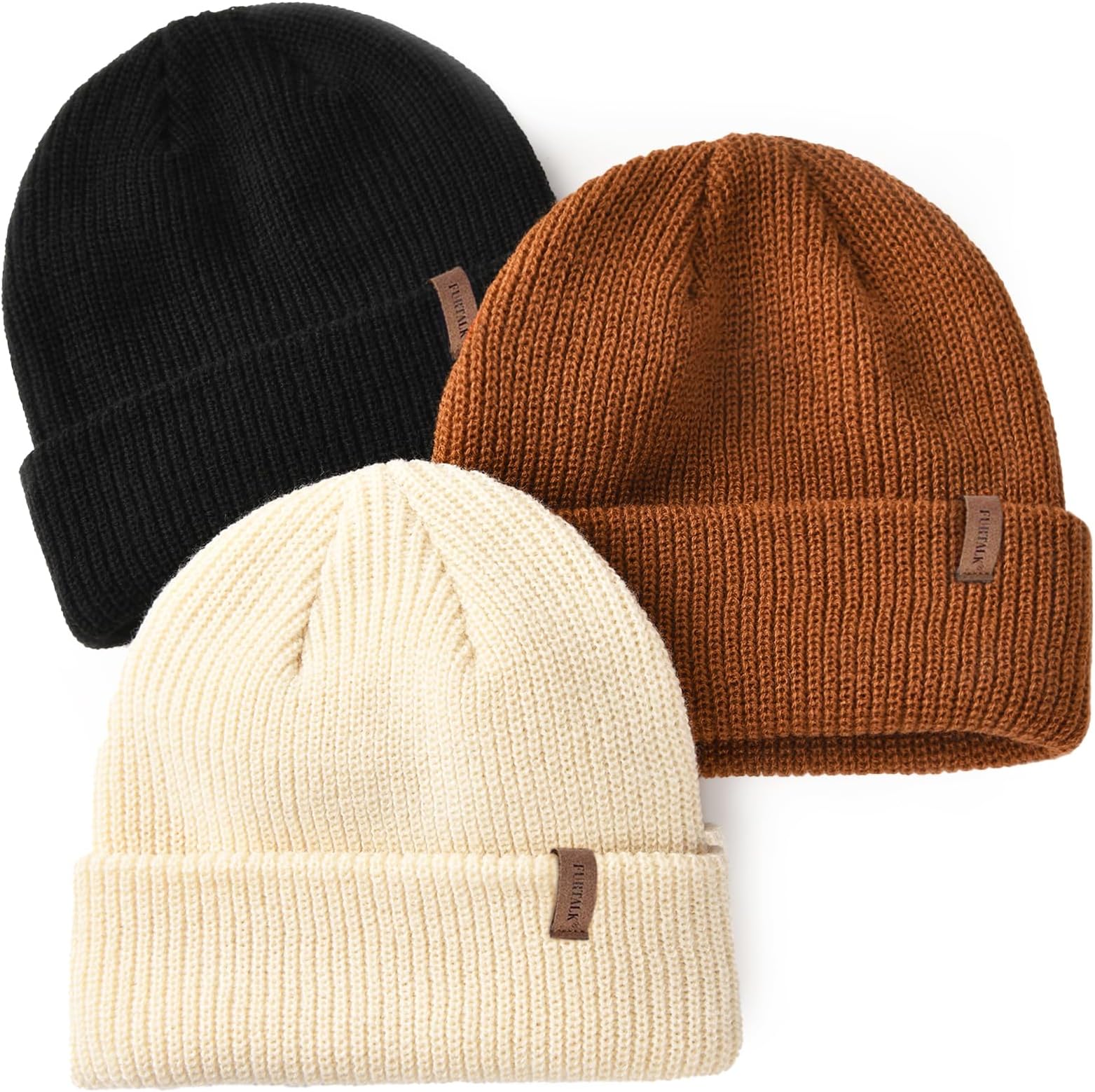
Soft knit baby beanie
Kids winter hatsloose
★★★★★4.8 · 5,929 ratings$11.99listed by our retail partner
Babies and kids
A child outgrows a hat faster than they wear it out, so the useful question is not which size fits today but how much room the hat can give you later.
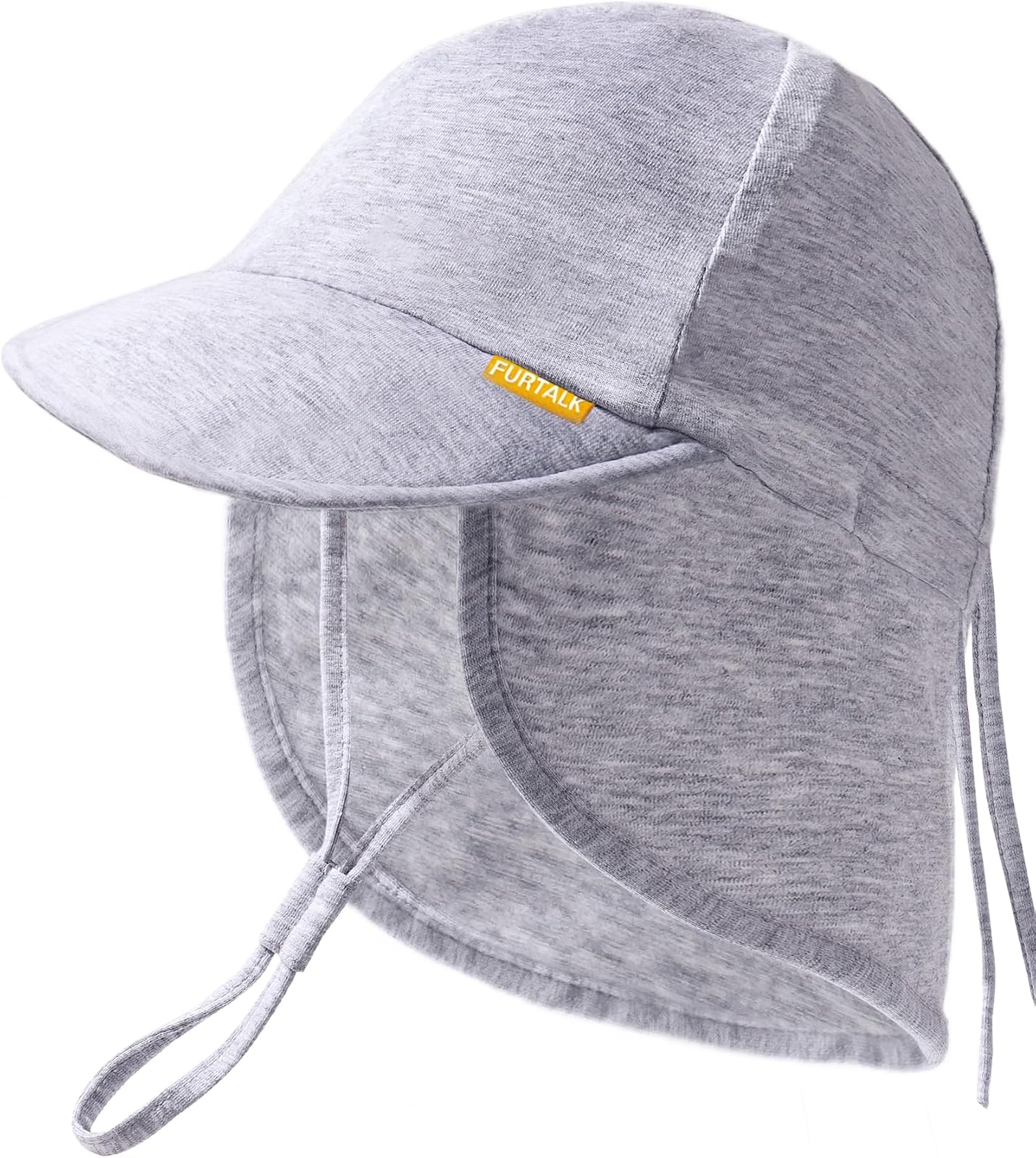
An inner drawstring or a strap at the back buys you a season or two. We build that into most of the small sun hats for exactly this reason.
Where there is no adjuster, a stretchy knit does a similar job by giving as the head grows. A woven straw crown has no give at all, which is worth knowing before you pick one for a toddler.
A tie under the chin is the difference between a hat that stays on in a stroller and a hat you retrieve from the pavement. Soft fabric ties work better than elastic, which small hands learn to stretch and flick off.
Tie it with a finger of slack. Snug enough that a gust cannot lift the brim, loose enough that it is comfortable to look up.
A flap at the back covers the strip of neck that a brim alone leaves open, and it matters most when a child is facing away from you in a carrier or a stroller.
Wide brims shade more but catch more wind. On our shelves the small brims with ties tend to stay on, and the very wide ones work better once a child is old enough to hold a hat down themselves.
If you are between two sizes, take the larger one and use the adjuster. A hat that is slightly big can be tightened. A hat that is slightly small leaves a red line on a forehead and gets refused.
For winter hats, check the ears are properly covered rather than half covered. That is the part a child will complain about on the school run.
Sun hats with ties for the youngest heads, and lined winter caps for the school run.
Under the brim